
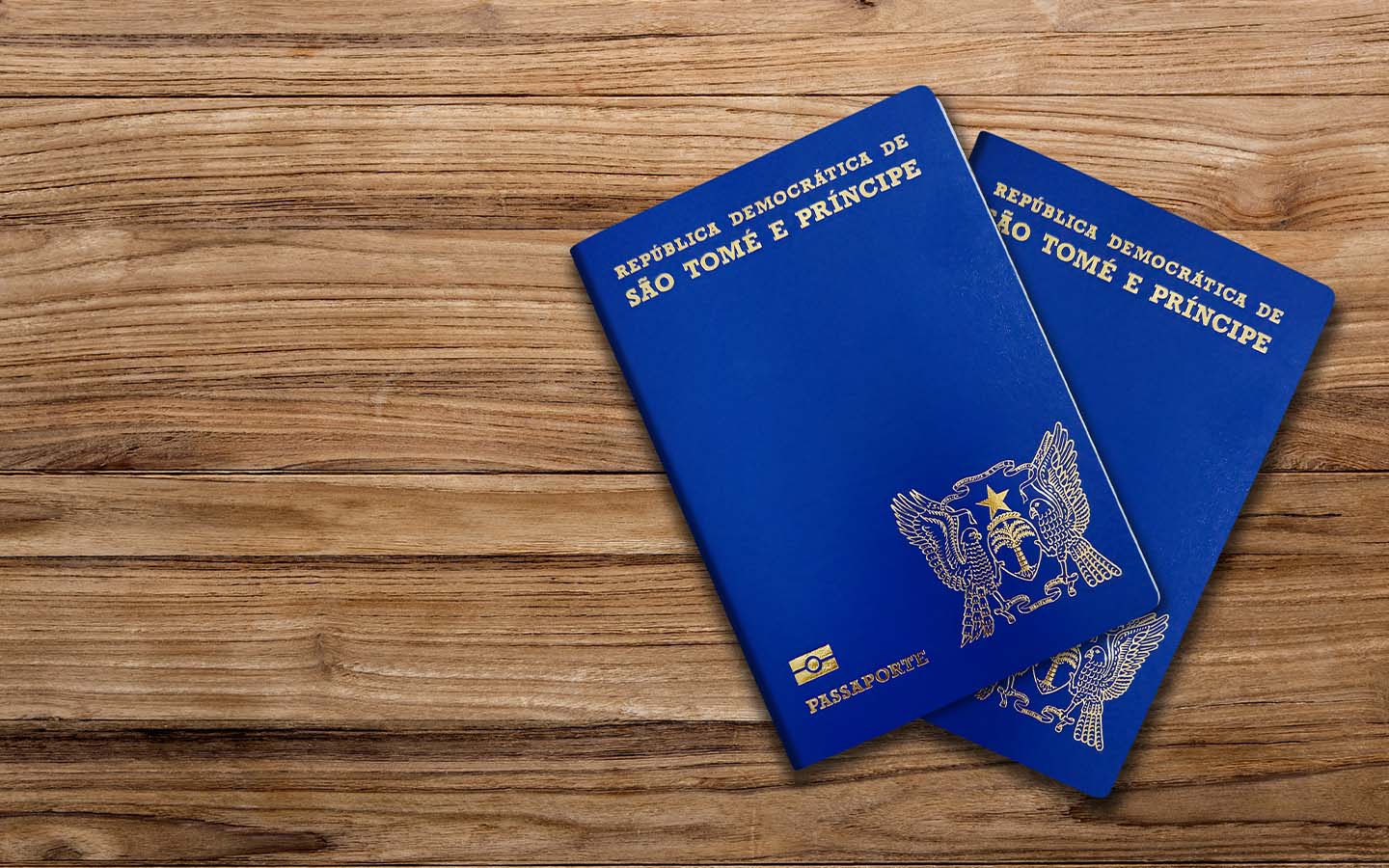
Welcome to the World of São Tomé Passport
The São Tomé passport opens doors to numerous opportunities for travelers and residents alike. With its strategic position in the Gulf of Guinea and a rich historical and cultural background, obtaining a Sao Tome Passport Website saotomepassport can significantly enhance your travel experiences and global mobility. In this article, we’ll delve into the various aspects of the São Tomé passport, its application process, and the benefits it offers.
What is the São Tomé Passport?
The São Tomé passport is a travel document issued by the government of São Tomé and Príncipe to its citizens. It serves as proof of identity and citizenship, providing holders with the ability to travel internationally. The passport is recognized by numerous countries, facilitating visa-free or visa-on-arrival access to various destinations around the world.
The Importance of the São Tomé Passport
In an increasingly globalized world, having a reliable passport can greatly enhance your ability to explore different countries and cultures. The São Tomé passport is especially valuable for individuals from African nations, providing easier access to European and Asian markets. The importance of this passport can be summarized in several key points:
- International Recognition: The São Tomé passport is acknowledged by many countries, making it easier for holders to enter these nations without facing cumbersome visa requirements.
- Economic Opportunities: With visa-free access to various countries, São Tomé passport holders can expand their business ventures, explore job opportunities, and participate in international events.
- Tourism and Exploration: The allure of travel becomes more attainable with a São Tomé passport, allowing travelers to visit diverse landscapes and cultures across the globe.
Eligibility for the São Tomé Passport
Eligibility for obtaining a São Tomé passport typically includes the following criteria:
- Citizenship: You must be a citizen of São Tomé and Príncipe. This applies to both individuals born in the country and those who have acquired citizenship through naturalization.
- Age: Depending on the regulations, applicants must generally be at least 18 years old. Minors may require consent from parents or guardians.
- Document Requirements: Applicants need to provide essential documents, including proof of identity, nationality, and residence.
- Criminal Record: A clean criminal record may be a prerequisite for obtaining a passport.
How to Apply for a São Tomé Passport
The application process for a São Tomé passport is straightforward, although it may vary slightly based on your residence—whether you’re applying from within São Tomé and Príncipe or abroad. Here’s a step-by-step guide:

- Gather Required Documents: Assemble all necessary documents, including your birth certificate, national identification card, and proof of residency.
- Complete the Application Form: Fetch the application form from the appropriate government office or online portal.
- Submit Your Application: In-person submissions may be required at your local passport office. Ensure you provide all required documents and the applicable fee.
- Await Processing: Processing times can vary; it’s essential to keep track of your application status. Follow up if necessary.
- Receive Your Passport: Collect your passport from the designated office once notified of its completion. Review all information for accuracy.
Benefits of Holding a São Tomé Passport
Holders of a São Tomé passport enjoy a myriad of benefits, making it a valuable asset. Here are some prominent advantages:
- Visa-Free Travel: Citizens can visit several countries without the need for a visa, which significantly simplifies travel planning.
- Consular Support: In times of need while abroad, passport holders have access to consulates and embassies that can provide assistance and support.
- Global Citizenry: With the São Tomé passport, you become part of the global community, allowing for personal and professional growth through international interactions.
- Cultural Exchange: Traveling internationally fosters cultural understanding and shared experiences, enriching your perspective on the world.
Challenges Faced by São Tomé Passport Holders
While the São Tomé passport provides numerous opportunities, holders may encounter specific challenges:
- Limited Recognition: Although many countries recognize the São Tomé passport, some nations may impose travel restrictions, creating hurdles for certain travelers.
- Resource Limitations: Inadequate resources for processing applications or issuing passports can lead to delays and frustrations for users.
- Language Barriers: Non-Portuguese speakers may encounter challenges in understanding the application process and requirements.
Traveling with a São Tomé Passport
When traveling with a São Tomé passport, it’s advisable to research visa requirements for your destination well in advance. While many countries offer visa exemptions, others may have specific entry conditions. Being proactive about your travel plans ensures a smoother experience.
Future of the São Tomé Passport
Looking ahead, the São Tomé passport has the potential to evolve in response to global travel trends and diplomatic relations. Enhancements may include:
- Increased Visa-Free Access: As relations with other countries improve, there may be opportunities for expanded visa-free agreements.
- Biometric Passports: Upgrading to biometric passports could enhance security and streamline international travel.
- Digital Processing: Embracing technology for online applications and tracking could make the passport issuance process more efficient.
Conclusion
The São Tomé passport is more than just a travel document; it represents opportunities for exploration, cultural exchange, and personal development. By understanding the application process, benefits, and potential challenges, applicants can navigate their journey toward obtaining this valuable asset. Whether for business or leisure, the freedom that comes with a São Tomé passport is worth pursuing, providing a gateway to the global stage.
