

A Global Perspective on Casinos: Trends, Culture, and Legends
The world of casinos worldwide international UK casinos and gaming is as vibrant and diverse as the cultures from which it originates. From the bustling streets of Las Vegas to the elegant halls of Monte Carlo, casinos serve as a window into the human experience, offering entertainment, excitement, and a chance for stories to unfold. In this article, we will explore the fascinating world of casinos worldwide, examining their history, cultural significance, and the evolution of gambling practices.
The History of Casinos
The term “casino” is derived from the Italian word ‘casa,’ meaning ‘house.’ Historically, casinos were simply places for social gatherings and entertainment. The first recognized casino, the Ridotto, was established in Venice in 1638, providing a regulated environment for gambling. This marked the beginning of a trend that would spread across Europe and later the world.
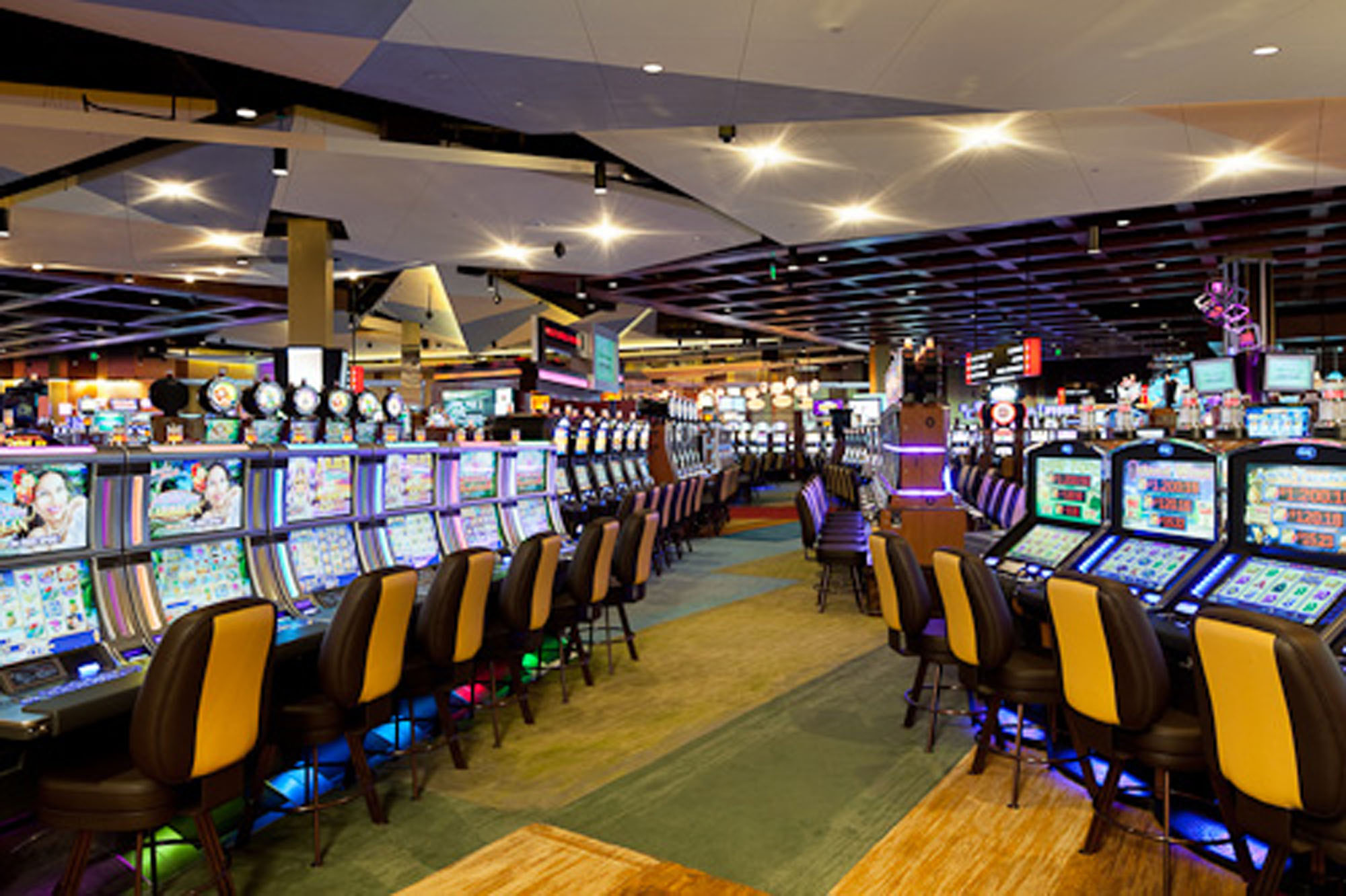
Over the centuries, casinos have evolved in both architecture and offerings. While the earliest establishments were often opulent, reflecting the wealth of their patrons, modern casinos come in various styles, from luxury resorts to local gaming establishments. This diversification has made gambling more accessible to a wider audience.
The Diversity of Casinos Worldwide
When we think of casinos today, images of large establishments filled with slot machines and gaming tables often come to mind. However, the variety of casino types is extensive. Here are the main categories:
- Land-Based Casinos: These traditional establishments are typically located in tourist hotspots, where visitors can enjoy not just gaming but also fine dining, entertainment, and luxurious accommodations.
- Online Casinos: The digital revolution has transformed the gambling landscape, enabling players to bet from the comfort of their homes. Online platforms offer a wide range of games and promotions, often more than their brick-and-mortar counterparts.
- Floating Casinos: These are often found on boats or barges, operating in international waters where regulations are more lenient. They combine gambling with a unique boating experience.
- Cruise Ship Casinos: Many cruise lines feature onboard casinos, providing passengers with the chance to gamble while enjoying ocean views and various amenities.
- Integrated Resorts: These massive complexes combine hotels, casinos, shopping, and entertainment facilities, offering visitors an all-in-one experience.
Regional Highlights
United States
The United States is home to some of the most famous casinos in the world. Las Vegas, Nevada, is often dubbed the ‘Entertainment Capital of the World,’ boasting a plethora of world-class casinos such as The Bellagio, Caesars Palace, and the MGM Grand. Additionally, Atlantic City offers a different vibe with its beachfront casinos, while Native American casinos have emerged throughout the country, providing gaming opportunities and cultural experiences.
Europe
Europe has a rich gambling history, where casinos often reflect local culture and architecture. Monte Carlo, Monaco, stands as a symbol of elegance and wealth, attracting high rollers from around the globe. France, too, has its share of glamorous casinos, including the famous Casino de Paris. Meanwhile, the UK is known for its historic casinos with unique regulatory structures, attracting both tourists and locals alike.
Asia
Asia’s gambling scene has exploded in recent years. Macau has risen to become the world’s largest gambling hub, surpassing Las Vegas in revenue. Its lavish casinos, like The Venetian and Wynn, attract millions annually. Additionally, Singapore has developed a reputation for luxury integrated resorts with casinos, making it a top destination for both entertainment and leisure.
Cultural Significance of Casinos
Casinos are not just places for gambling; they are cultural phenomena that reflect the values and traditions of their respective societies. In many cultures, gambling is intertwined with local customs and festivities. For instance, in some Asian cultures, games like Mahjong and Sic Bo hold significant cultural importance, extending beyond mere gambling.
Casinos also serve as communal spaces where people gather, socialize, and celebrate. They foster a sense of excitement and adventure, drawing individuals from all walks of life. The allure of winning, combined with the social aspect of gaming, creates an environment where stories interweave, forming a tapestry of human experience.
The Future of Gambling
The gambling industry is on the cusp of significant transformations driven by technology. The rise of online casinos and advanced technologies like virtual reality (VR) and blockchain are reshaping how people engage with gambling. VR casinos promise to create immersive experiences, mimicking the excitement of a physical casino environment without leaving home.
Moreover, the legalization of gambling in various jurisdictions around the world reflects changing attitudes toward gambling as a form of entertainment. Regulatory frameworks are evolving to accommodate new technologies and platforms, ensuring a safe and responsible gaming environment.
Conclusion
As we have explored, the world of casinos is vast and continually evolving. From their rich history to their cultural significance and the future of gambling, casinos will remain an integral part of human society. Whether in the grand halls of Monte Carlo or the online gaming platforms of the digital era, the allure of casinos as a source of entertainment and excitement is unlikely to fade. As regulations adapt and technologies advance, we can anticipate new trends and innovations that will further shape the landscape of this dynamic industry.