
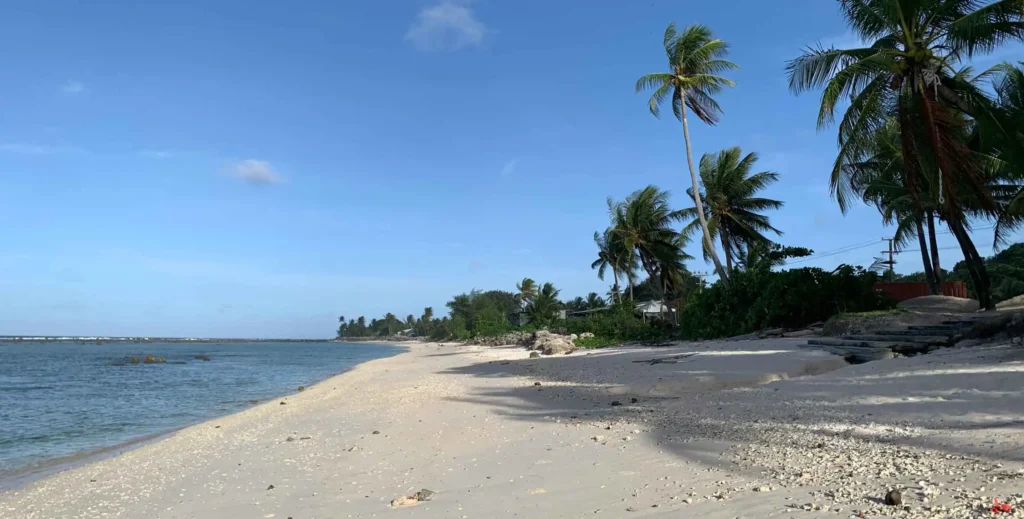
Nauru is a small island nation located in the Pacific Ocean, known for its beautiful beaches and unique history. For those considering relocation or establishing a new life in this Pacific paradise, understanding the pathways to Nauru Citizenship naurucitizenship.net is essential. This article aims to break down the essential components of obtaining citizenship in Nauru, including the requirements, benefits, and application process.

Understanding Nauru Citizenship
Nauru citizenship offers a unique blend of opportunities and challenges. The island nation, which gained independence from Australia in 1968, has a population of around 10,000 people. Its economy is primarily based on phosphate mining, fishing, and tourism, which creates a distinct cultural environment. For many, acquiring Nauru citizenship can mean access to a peaceful lifestyle, beautiful scenery, and a strong sense of community.
Who Can Apply for Citizenship?
Nauru’s citizenship laws can be somewhat complex, and the eligibility criteria reflect various factors, including residency, marriage, and ancestry. Here are the primary pathways for obtaining Nauru citizenship:
1. Citizenship by Birth
Individuals born in Nauru are automatically granted citizenship, regardless of the nationality of their parents. This provision aims to uphold the rights of the native population and ensure continuity of Nauruan heritage.
2. Citizenship by Descent
Children born outside Nauru to Nauruan parents may also be eligible for citizenship by descent. This path ensures that Nauruans living abroad can maintain their connection to their homeland.
3. Citizenship by Marriage
Foreign nationals who marry Nauruan citizens may apply for citizenship after residing in Nauru for a certain period, typically five years. This pathway promotes family unity and encourages cultural exchange.
4. Citizenship by Naturalization
Foreign nationals who have resided in Nauru for a significant duration (generally ten years) may apply for citizenship through naturalization. This route requires individuals to demonstrate good character, knowledge of the Nauruan culture, and proficiency in the language.
Application Process for Nauru Citizenship
The application process for acquiring Nauru citizenship can be meticulous and requires adherence to specific protocols. Here’s a basic outline of the steps involved:
Step 1: Determine Eligibility
Before applying, individuals need to assess their eligibility based on the criteria mentioned above. Understanding the nuances of each pathway is crucial in this initial stage.
Step 2: Collect Required Documentation
Applicants must gather relevant documents, including birth certificates, proof of residency, marriage certificates (if applicable), and any other paperwork that validates their claim for citizenship. This step is vital for the successful approval of the application.
Step 3: Submit Application
Once all necessary documents are in order, individuals can submit their application to the Nauru Immigration Office. It’s essential to ensure that the application is filled out accurately to avoid any delays in processing.
Step 4: Await Processing
The processing time can vary, but applicants should be prepared for a waiting period. During this time, the authorities may contact individuals for additional information or clarification.
Step 5: Receive Decision
Once the application has been reviewed, the applicant will receive a notification regarding the decision. If approved, the applicant will be issued formal citizenship documents.
Benefits of Nauru Citizenship
Obtaining citizenship in Nauru comes with a multitude of benefits:
1. Quality of Life
Nauru provides its citizens with a serene environment, stunning landscapes, and a slower pace of life, a stark contrast to many bustling cities globally. This peaceful atmosphere can enhance personal well-being and family harmony.
2. Economic Opportunities
Citizens can take advantage of economic opportunities related to tourism and fishing industries. Moreover, Nauru’s strategic location provides potential business ventures for enterprising individuals.
3. Education and Healthcare
Citizens have access to education and healthcare services provided by the government. Although resources are limited, the government strives to offer necessary services to its people.
4. Political Participation
Citizenship grants individuals the right to vote and participate in the democratic processes of the nation. This involvement enables citizens to influence policies and contribute to the shaping of their country.
Conclusion
Nauru citizenship is not just a legal status; it represents a commitment to becoming part of a unique cultural and social landscape. For individuals considering this path, understanding the eligibility criteria, the application process, and the benefits involved is paramount. As Nauru continues to navigate its challenges and opportunities, new citizens can play a significant role in its development and future. Whether motivated by family, work, or adventure, Nauru provides an enviable lifestyle for those willing to embrace its distinctive character.